One Painting, Many Journeys

The painting London: The River Thames on Lord Mayor’s Day by the Venetian artist Giovanni Antonio Canal, known as Canaletto, has set out this year from the Lobkowicz Palace at Prague Castle on a journey to the Kunsthistorisches Museum in Vienna. It is now on display there as one of the key works in the exhibition Canaletto & Bellotto.

The exhibition presents famous views of European cities by two major 18th-century painters: Canaletto and his nephew Bernardo Bellotto. Both artists were renowned for their detailed vedute (topographically accurate painted views of cities), created with remarkable precision, often with the help of optical devices such as the camera obscura.

The painting London: The River Thames on Lord Mayor’s Day, together with its companion piece he River Thames Looking Towards Westminster from Lambeth, is not only a masterful depiction of the British capital but also a testament to the meeting of two notable figures: Ferdinand Philipp, 6th Prince Lobkowicz from Bohemia and the Venetian painter Canaletto.

Since its creation in the mid-18th century, the painting has traveled a long road. It moved between England, Bohemia, and Austria, survived the turbulent history of Europe, and for centuries remained part of the Lobkowicz collections.

Join us in following its journey. 

1746: Canaletto travels from Venice to London

In the mid-18th century, Europe was shaken by the Wars of the Austrian Succession, a large dynastic conflict fought on many fronts by professional armies. This situation prompted Canaletto to leave his native Venice. His main clientele consisted of English gentlemen who traveled to the Mediterranean on so-called Grand Tours, journeys intended to broaden their knowledge of other cultures and establish valuable social connections. Along the way they collected souvenirs, sometimes in the form of prints or paintings. Canaletto specialized in precisely these kinds of “souvenirs” or “postcards” of Venice: detailed city views known as vedute.

However, when the wars paralyzed Europe and brought the flow of young aristocratic travelers to Venice to a halt, Canaletto accepted an invitation from his future important patron, Charles Lennox, 2nd Duke of Richmond, and arrived in London in May 1746.

1748: The young Prince’s Grand Tour takes him to London

For Prince Ferdinand Philipp, the journey to England was both an escape from a continent shaken by unrest and part of the aristocratic tradition of the Grand Tour, a formative journey undertaken by young nobles. Such travels opened the world beyond the borders of their own estates, allowing them to establish new connections and encounter different societies, art, and political thought.

It was in London, the most dynamic and modern metropolis of its time, that the paths of the painter and the prince crossed. Their meeting resulted in two paintings depicting the city’s main artery, the River Thames:

London: The River Thames on Lord Mayor’s Day (c. 1748)

This oil painting captures the traditional river procession marking the inauguration of a new Lord Mayor of London. It was the highest office a person of non-noble origin could hold in the monarchy, and the painting expresses not only the festive occasion but also the growing sense of civic pride.

The River Thames Looking Towards Westminster from Lambeth (c. 1746–1747)

This canvas shows the bustling activity on the river, framed on the left by Westminster Abbey, the former royal residence and the seat of Parliament, and on the right by Lambeth Palace, the residence of the Archbishop of Canterbury and, since the 16th century, a symbol of the Anglican Church.

Ferdinand Philipp was a progressive young aristocrat with a strong interest in art, architecture, and British political thought. In these scenes he may have seen an ideal vision of the city he admired. It is possible that he commissioned the paintings as a memento of London, which Canaletto captured with remarkable detail, though with a touch of idealization. 

1752: The Journey from London to Roudnice

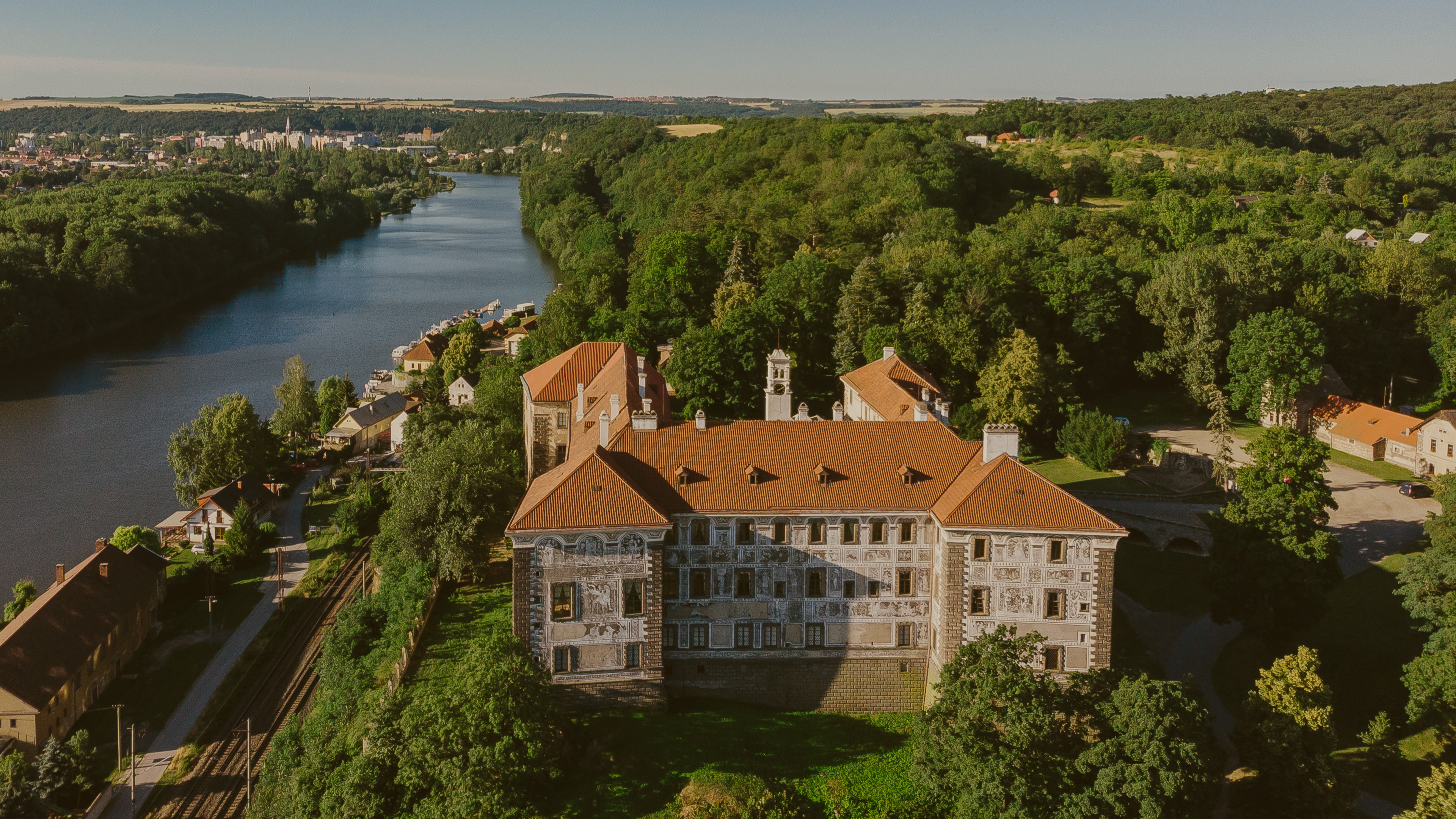
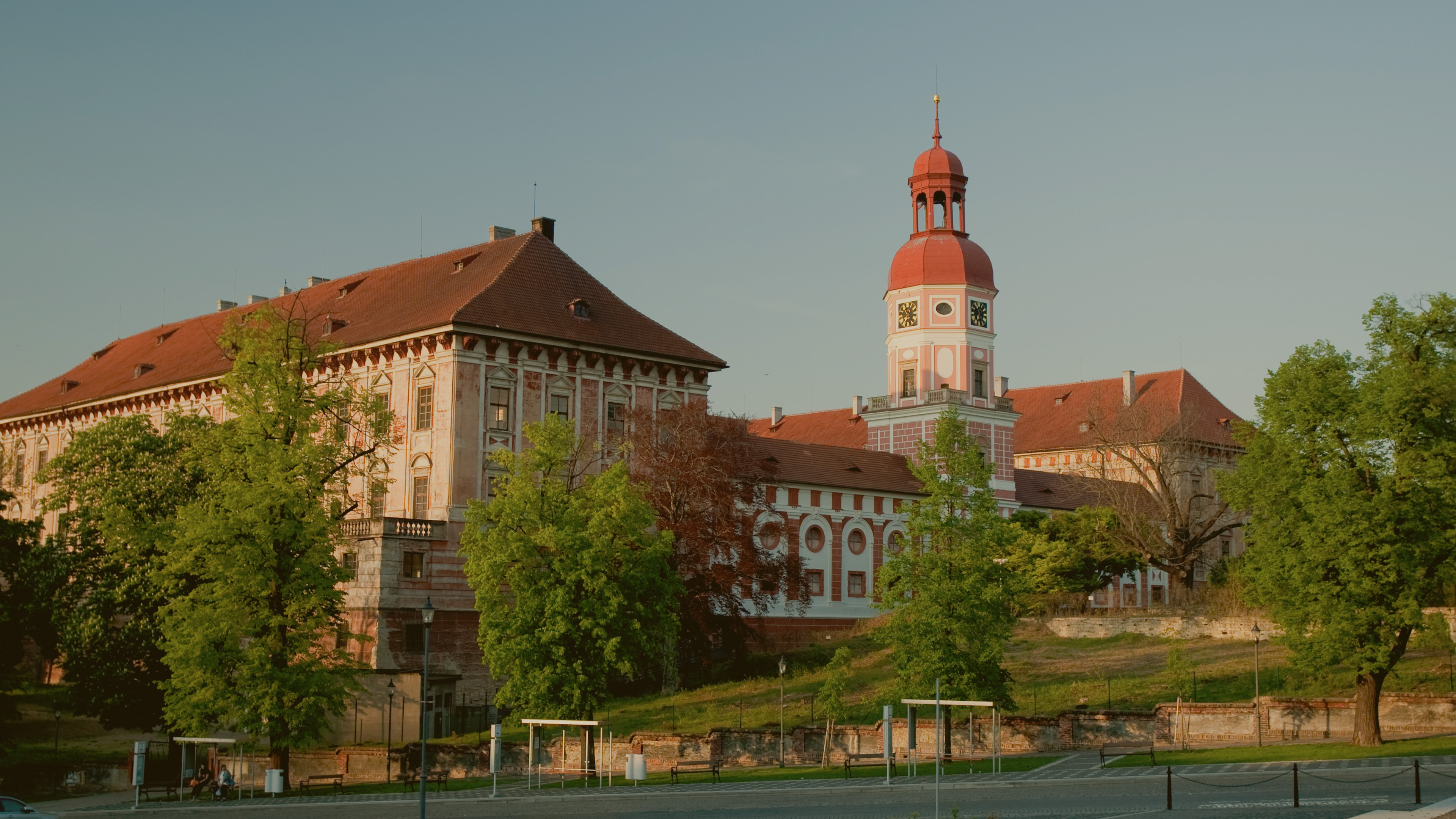
Shortly after they were completed in the mid-18th century, both of Canaletto’s paintings began their journey from London to Bohemia. Prince Ferdinand Philipp brought them to the family’s principal residence, the castle in Roudnice nad Labem.

According to surviving records, the two views of London hung directly in the prince’s bedroom. They were therefore not just decorative pieces, but also a personal reminder of the journey he had undertaken.

1784: The paintings travel from Bohemia to Vienna

The next stop on the journey of the two paintings was Vienna. Thanks to an inventory compiled after the death of Prince Ferdinand Philipp in 1784, we know that both London vedute were at that time part of the furnishings of the so-called Garden Lobkowicz Palace in Vienna. Here, too, they decorated the walls of a bedroom, serving as quiet reminders of the prince’s travels.

The Viennese Lobkowicz Palace later became the site of the first private performance of Beethoven’s Symphony No. 3 (Eroica) in 1804. Beethoven dedicated the work to his patron, Franz Joseph Maximilian, 7th Prince Lobkowicz  (1772–1816). Today, the first edition of Beethoven’s famous symphony can be found in the Lobkowicz Palace at Prague Castle.

19th Century: The Paintings Are First Presented to the Public at Bílina Castle

It was only during the 19th century that Canaletto’s London vedute left the privacy of princely chambers. Views of the paintings, which for a long time had been reserved for a small circle of aristocratic society, were made accessible to a wider public for the first time. Much of the credit goes to Prince Franz Joseph Maximilian.

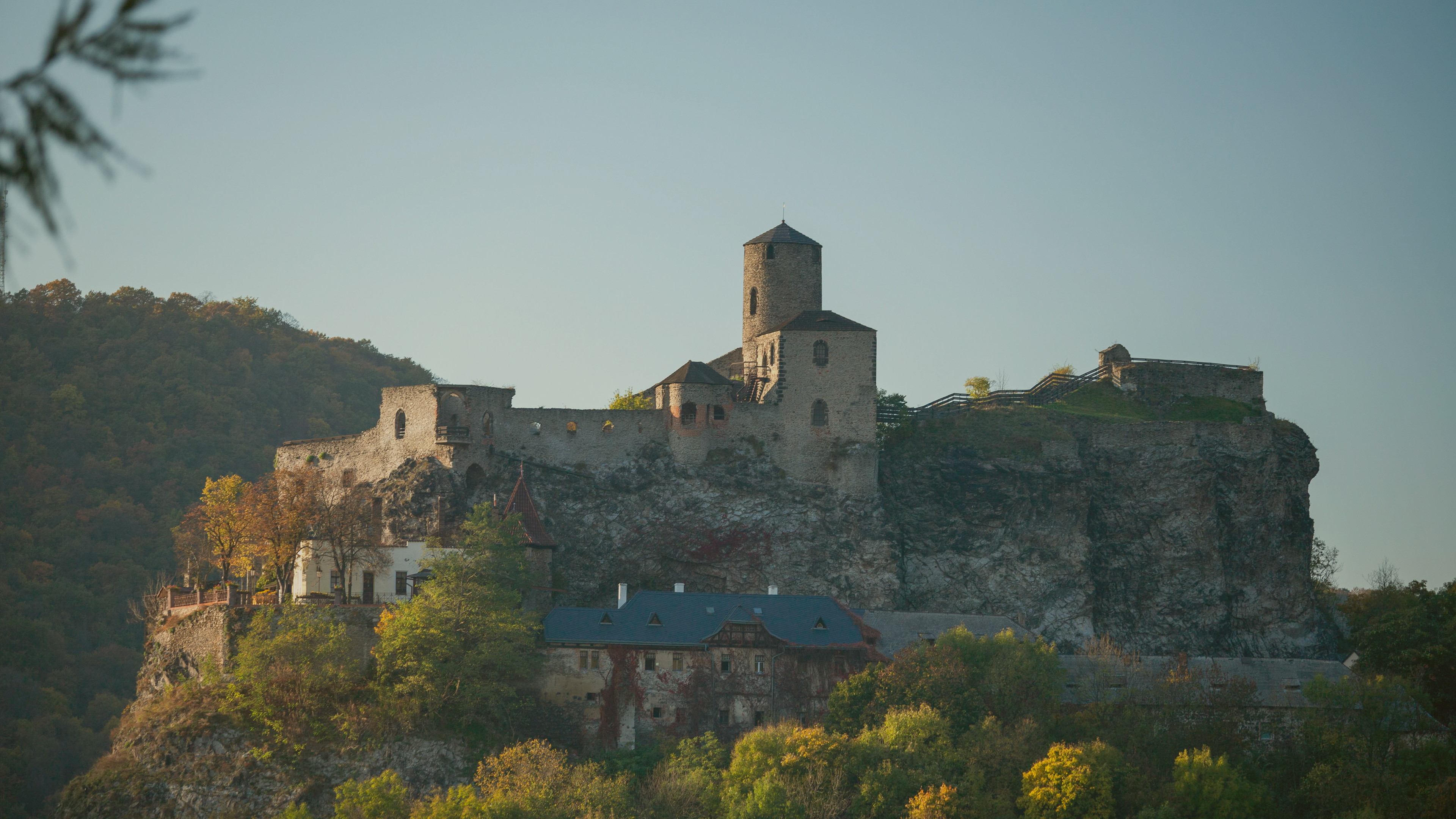
The prince played an important role in developing Bílina as a spa town and opened part of the family’s art collections at the local castle to visiting guests. There, alongside Bruegel’s famous Haymaking now exhibited in the Lobkowicz Palace at Prague Castle and Rubens’s Hygieia Nourishing the Sacred Serpent (today part of the permanent exhibition at Nelahozeves Castle), visitors could also see Canaletto’s views of London for the first time.

20th Century: The Paintings’ Paths Briefly Diverge

The turbulent 20th century affected the lives of most Europeans, and it naturally left its mark on the Lobkowicz family as well. Their property was confiscated twice: first by the Nazis and later by the communists.

The painting London: The River Thames on Lord Mayor’s Day remained in Bohemia throughout this period. The same was not true of the second Canaletto painting, The River Thames Looking Towards Westminster, which was taken on Hitler’s orders to the “Nazi repositories” of Europe’s most important artworks in the salt mines near Salzburg. After the Second World War, it was returned to Czechoslovakia, where both paintings were later held in the care of the National Gallery.

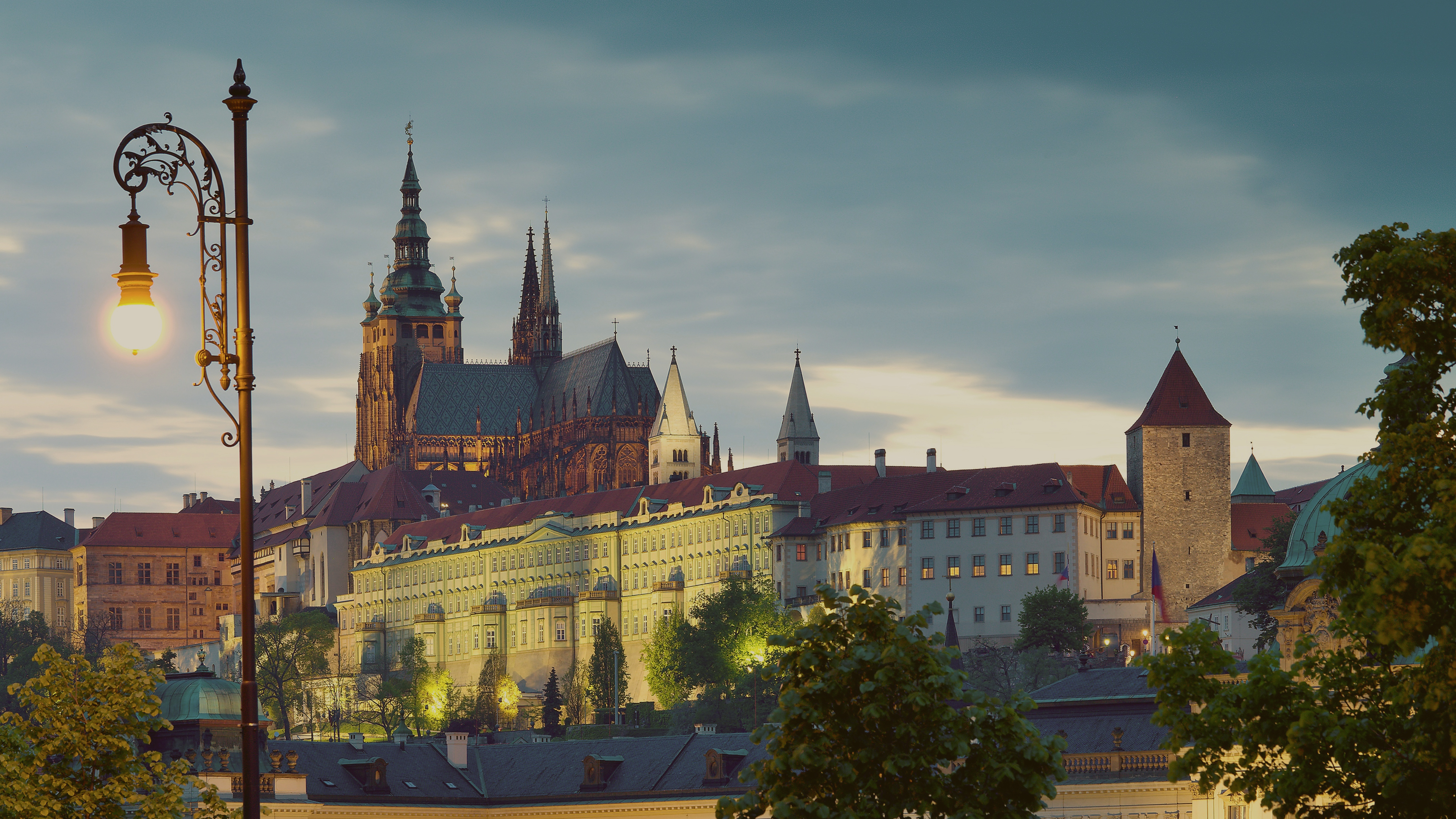
After the Velvet Revolution, the paintings were returned to the ownership of the Lobkowicz family. They were first displayed at Nelahozeves Castle and later found their permanent home in the Lobkowicz Palace at Prague Castle.

2012: The Journey Back to the Thames

In 2012, the painting London: The River Thames on Lord Mayor’s Day was loaned to the National Maritime Museum in London on the occasion of Queen Elizabeth II’s Diamond Jubilee.

After more than 250 years, the painting thus found itself once again on the banks of the river that Canaletto had once captured so brilliantly.

2026: The paintings’ paths briefly diverge again: one heads to Vienna, the other remains in Prague

This year, another chapter is being added to the painting’s provenance record. From the Lobkowicz Palace, Canaletto’s London: The River Thames on Lord Mayor’s Day is heading to the Kunsthistorisches Museum in Vienna. It carries with it the memory of two intertwined lives, a quiet dialogue between the Prince and the painter, and the traces of many generations who cared for and admired the work. And the river that flows across the canvas continues to connect places, moments, and human stories.

The companion painting, The River Thames Looking Towards Westminster from Lambeth, however, remains in the Lobkowicz Palace. You can come and see it there and experience Canaletto’s masterful attention to detail and color palette up close.

The journey continues…

During the loan of the painting to the Kunsthistorisches Museum in Vienna, you can discover Canaletto’s London: The River Thames on Lord Mayor’s Day in a new way at the Lobkowicz Palace—on a Samsung The Frame screen. Here, selected details from the masterpiece come to life in animated form, allowing you to view the painting from an unexpected, close-up perspective.

Through these animated details, you can step back into the past and better imagine what the Lord Mayor’s Procession on the Thames might actually have looked like.