Sharing the past creating the future



Education Programs
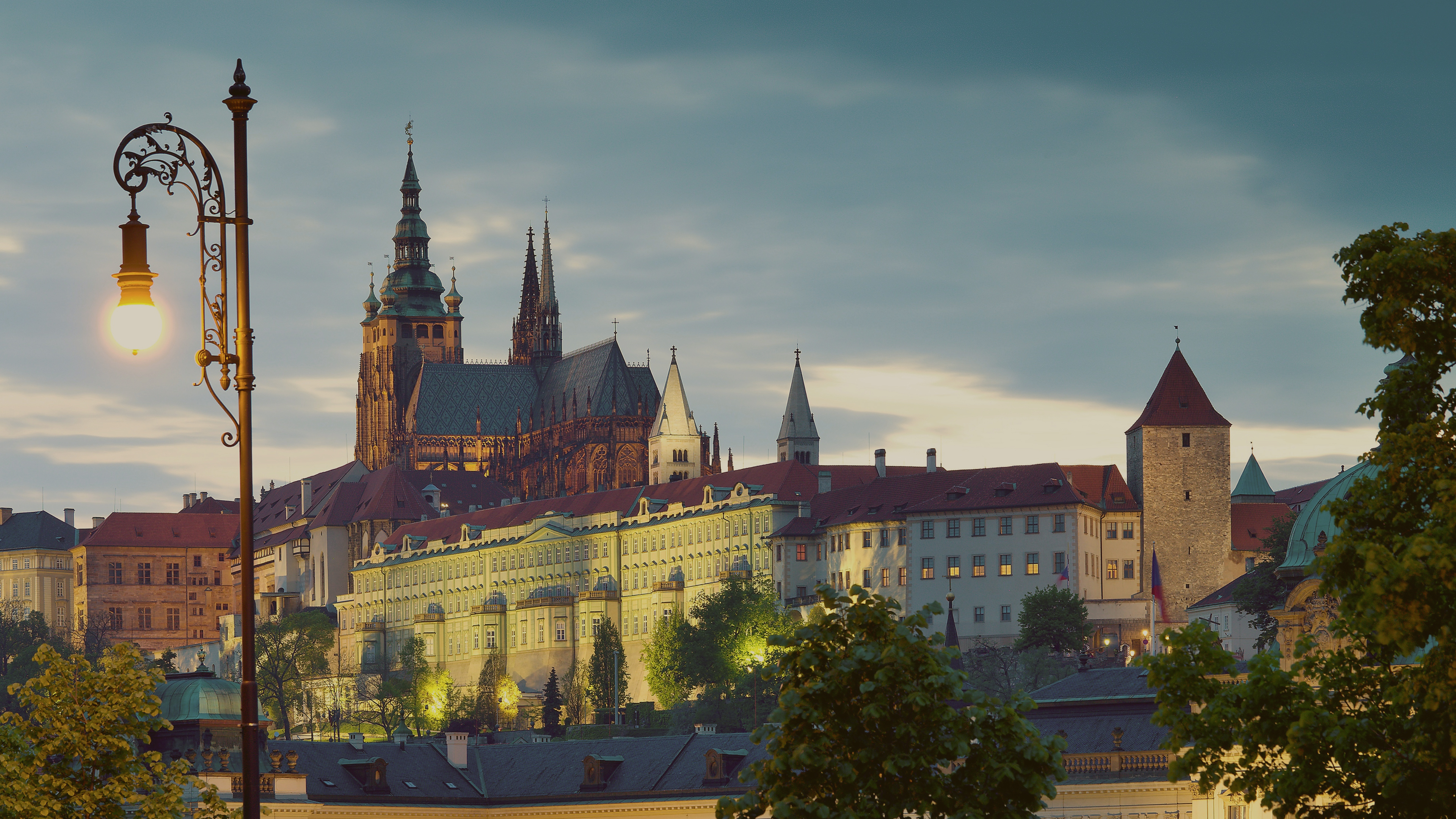
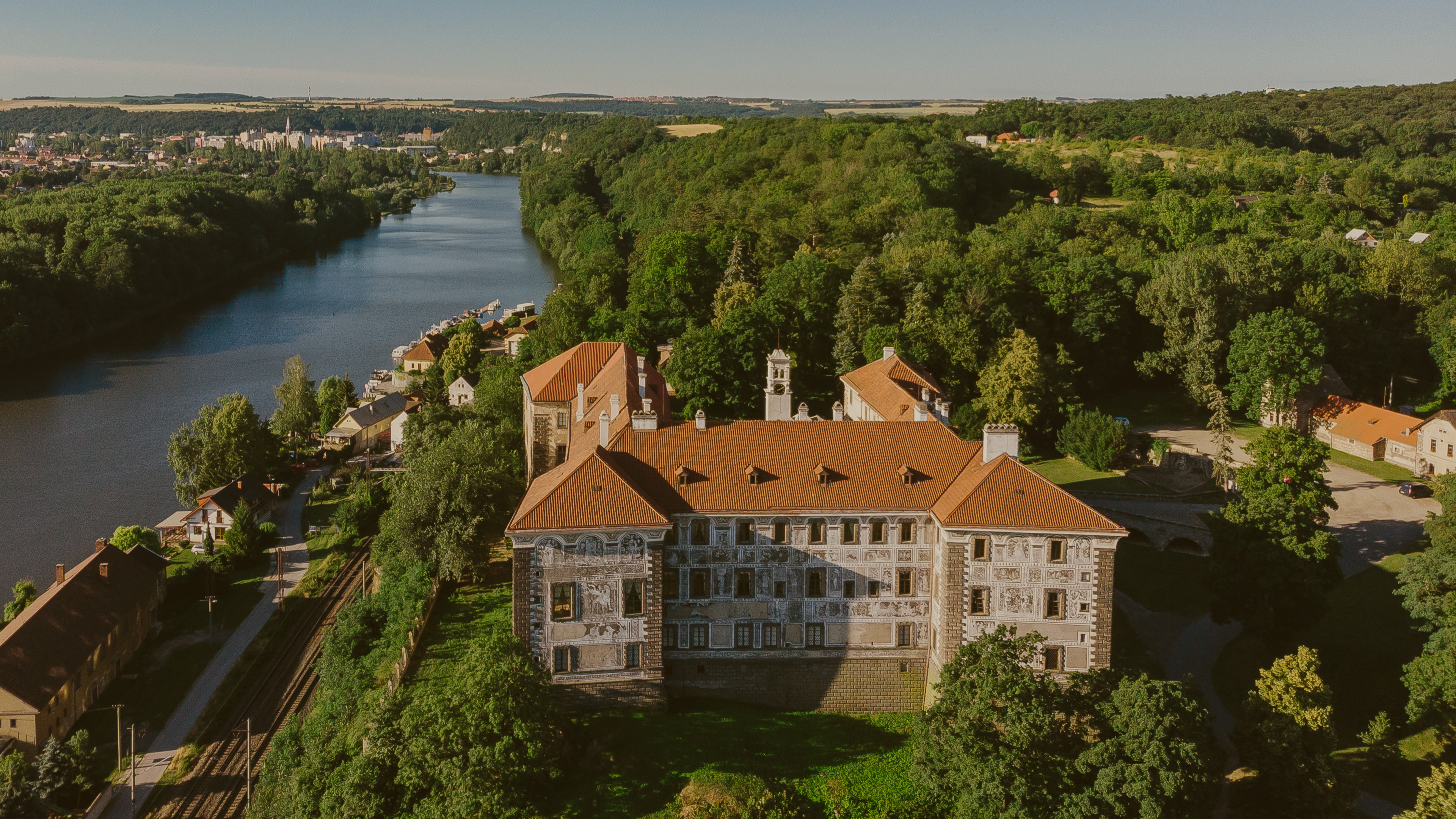
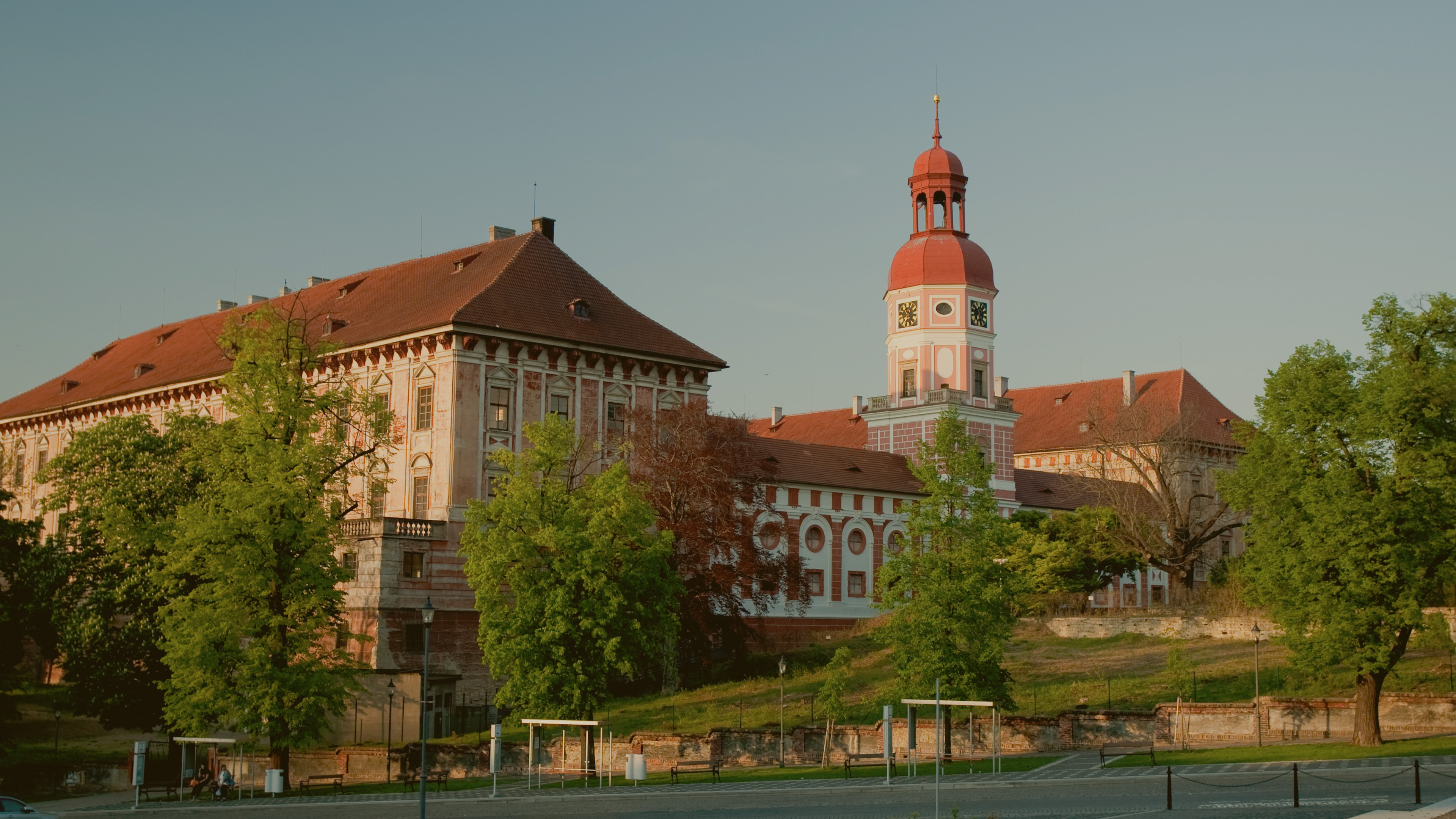
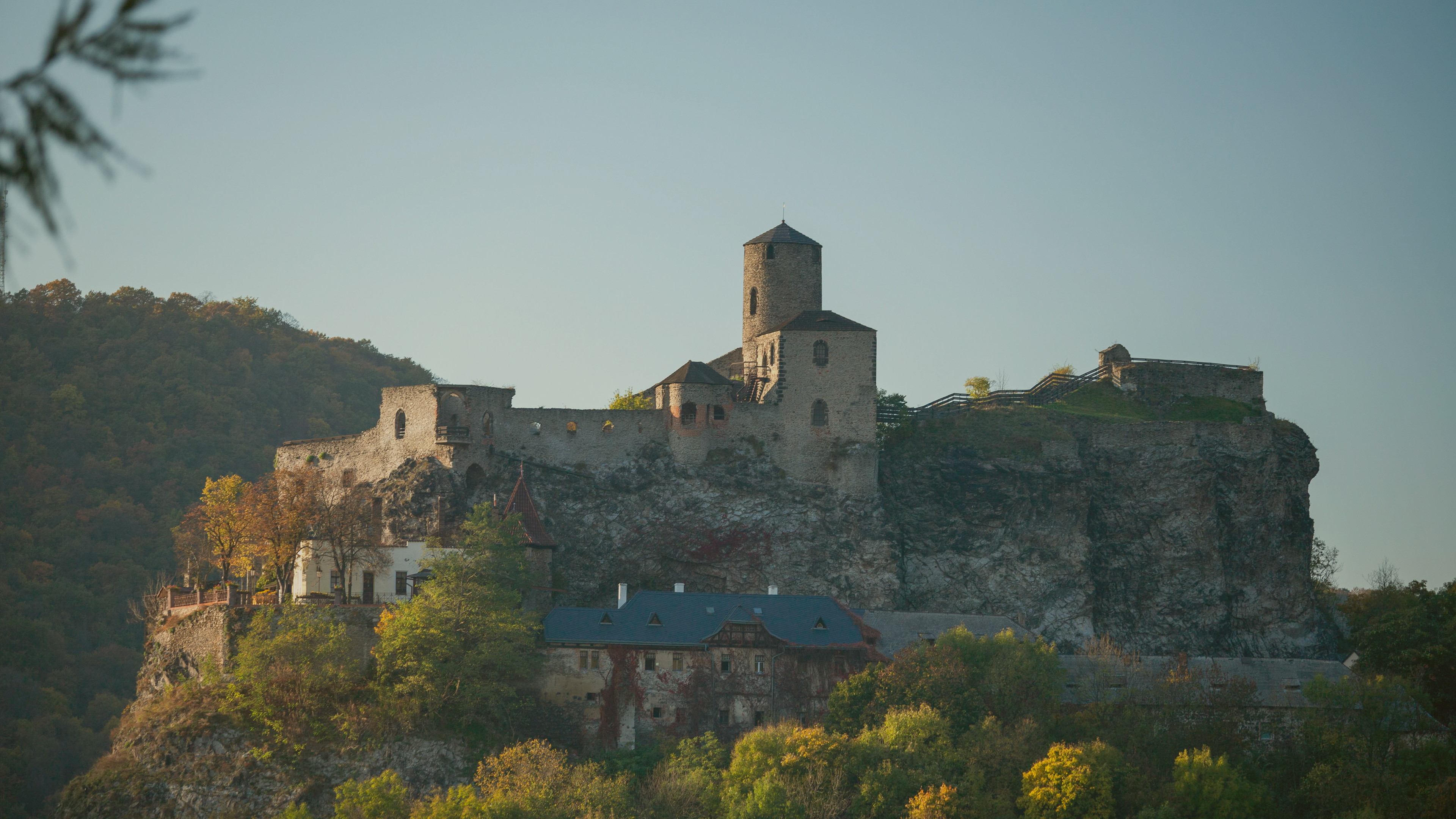
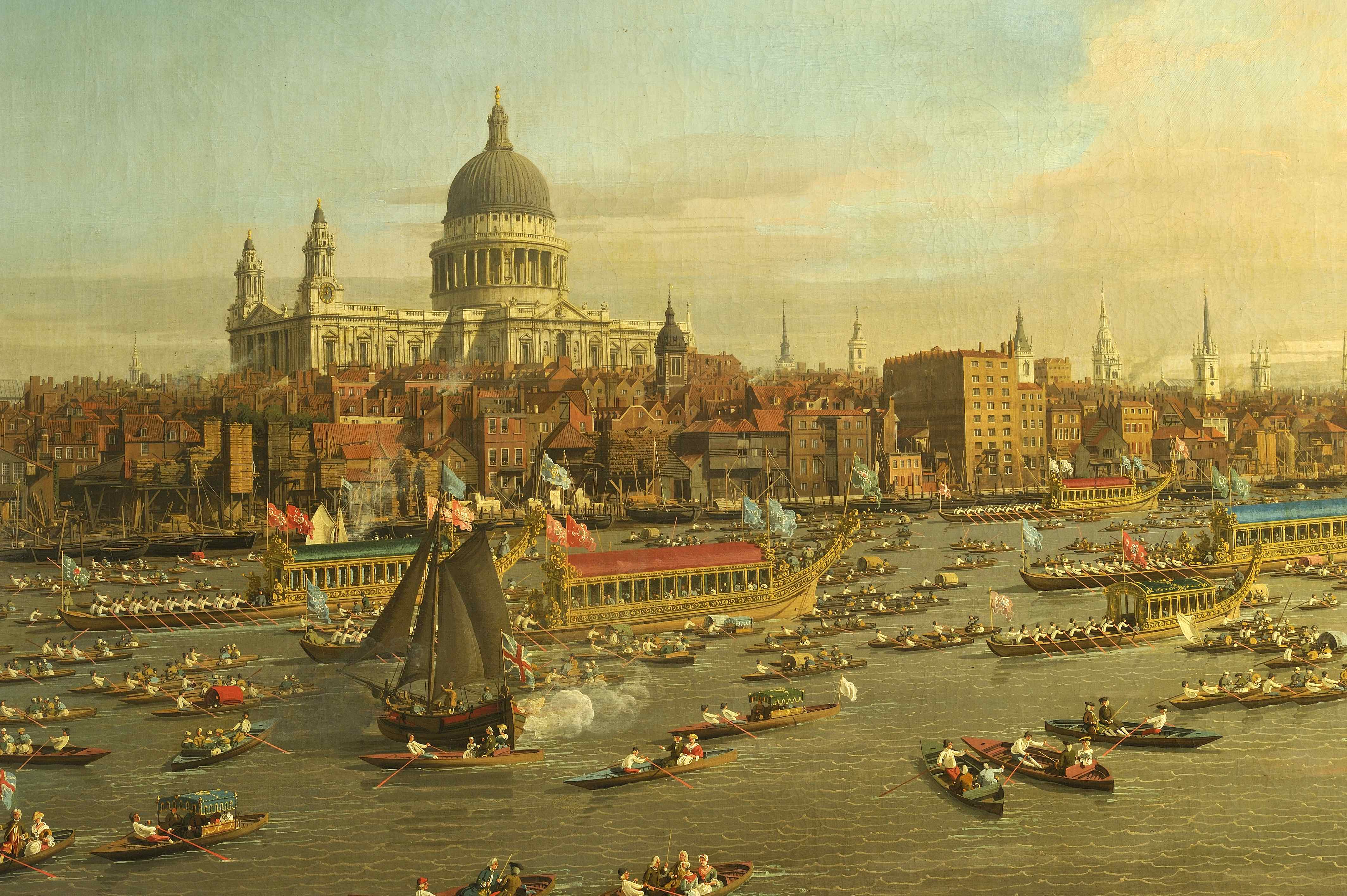
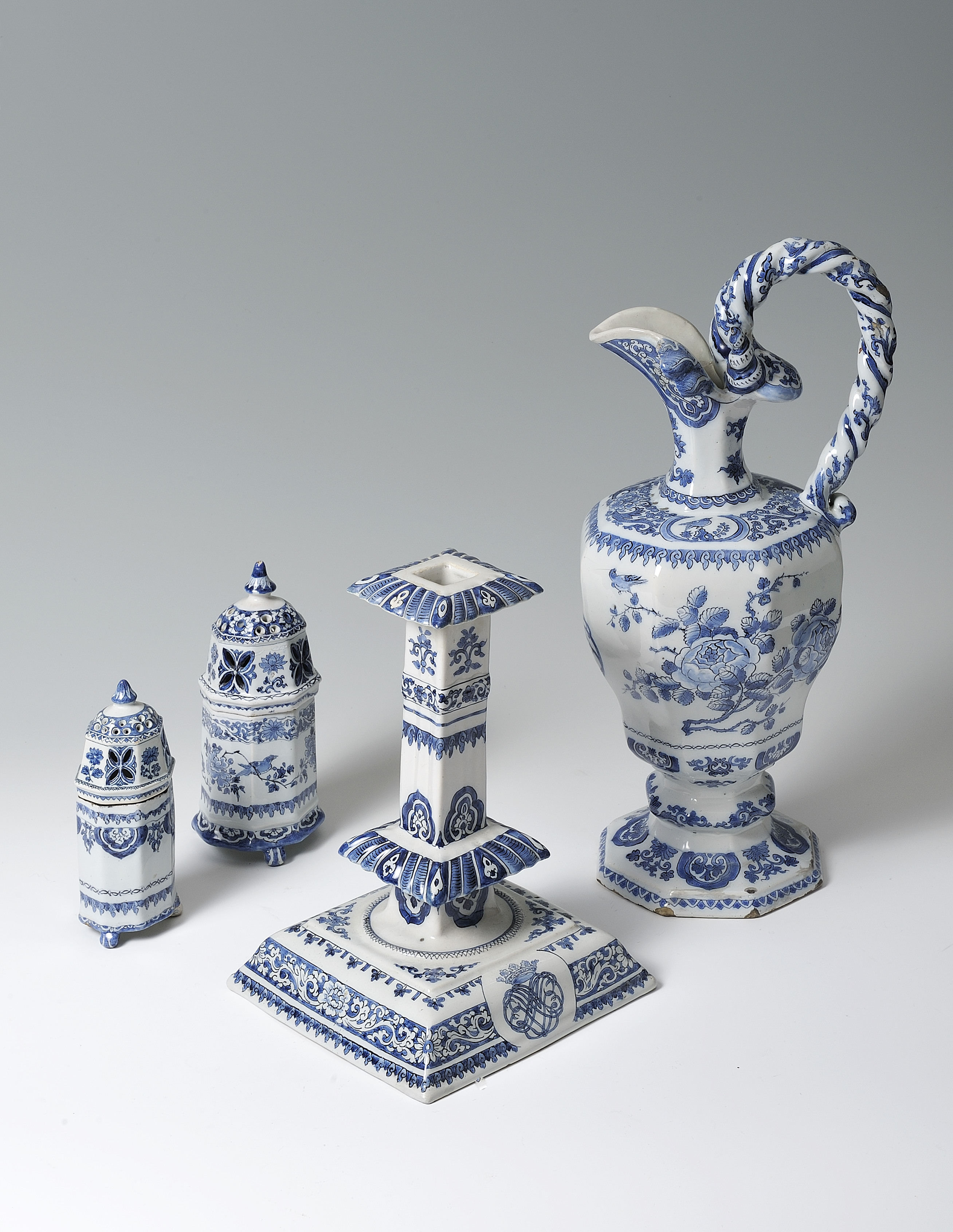
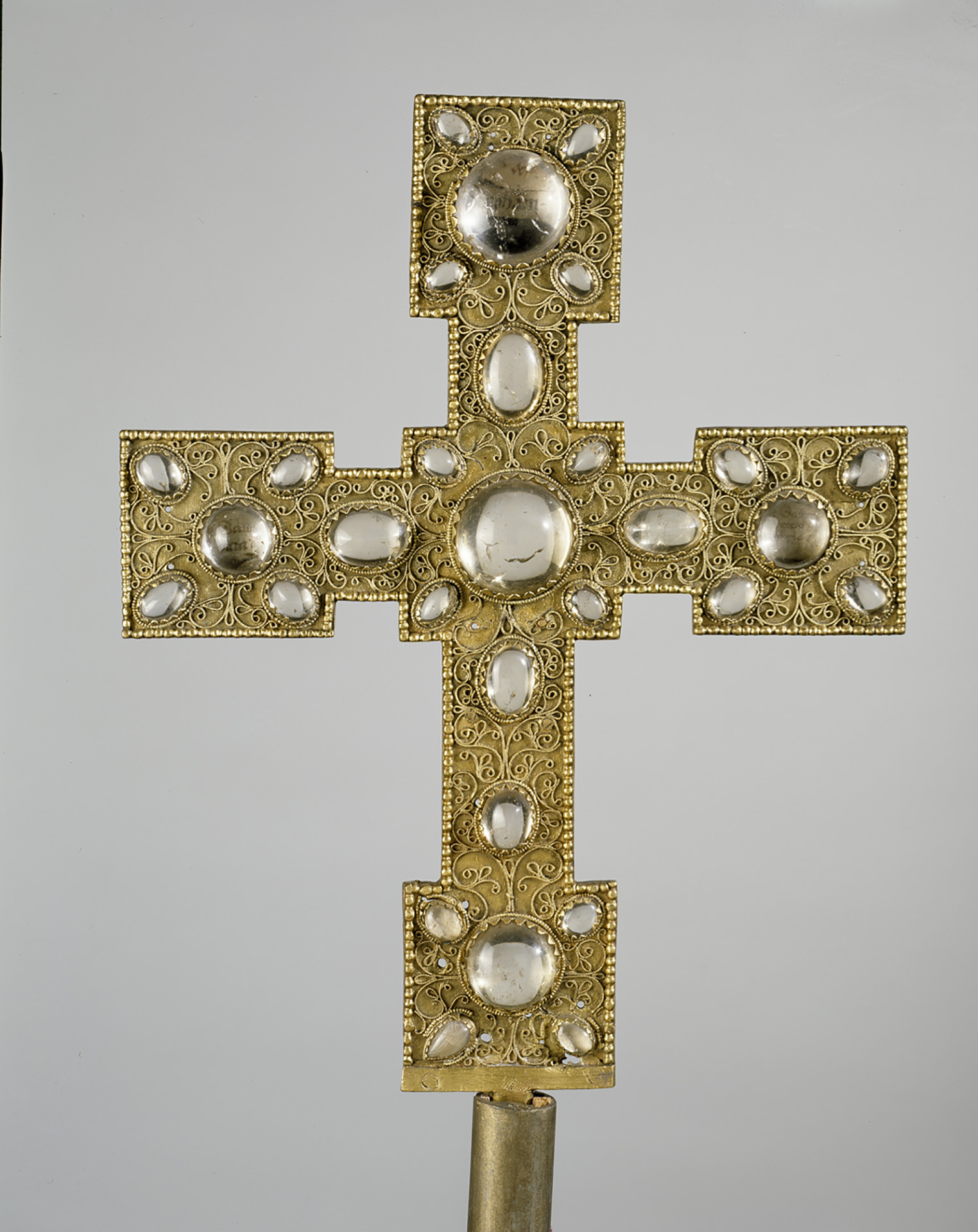
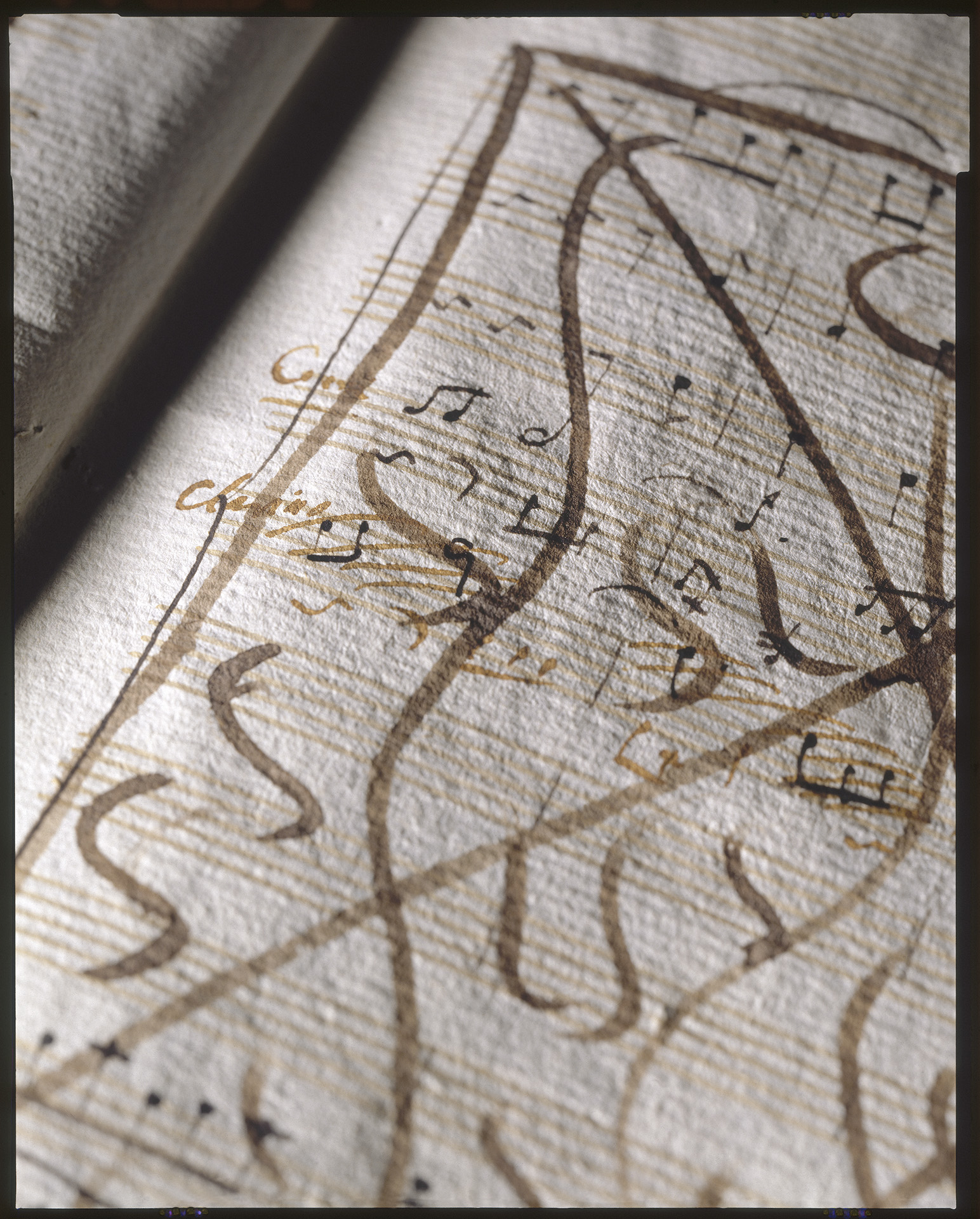
The Lobkowicz Collections creates and provides arts, history, and preservation-focused educational programs designed to engage students of all ages and backgrounds. These programs include events, workshops, talks, tours, and more, reflecting the rich diversity of our collections. Students learn, create, and innovate by exploring their imaginations, developing critical thinking and collaboration skills, and nurturing their curiosity—all in the unique setting of our historic sites listed below.
Curator Challenge
The Curator Challenge is a program that allows students to assume the role of curators to inspect, document, and research an uncatalogued object from the Lobkowicz Collections. Their task is to determine what the objects are, how they were used historically, and what impact they had on society.
Treasures of the Lobkowicz Collections
Discover the treasure trove that is the Lobkowicz Collections with a guided tour of the permanent exhibition at the Lobkowicz Palace in Prague Castle. Students will be introduced to selected themes and objects on display.
Pernstein Salon Tour
Just like the ruling Habsburgs, the Pernstein family left an indelible mark on Bohemian culture and history—beginning with the arrival of the Spanish noblewoman Maria Manrique de Lara y Mendoza, wife of Vratislav Pernstein, to Prague in the 16th century.
Portrait in Music
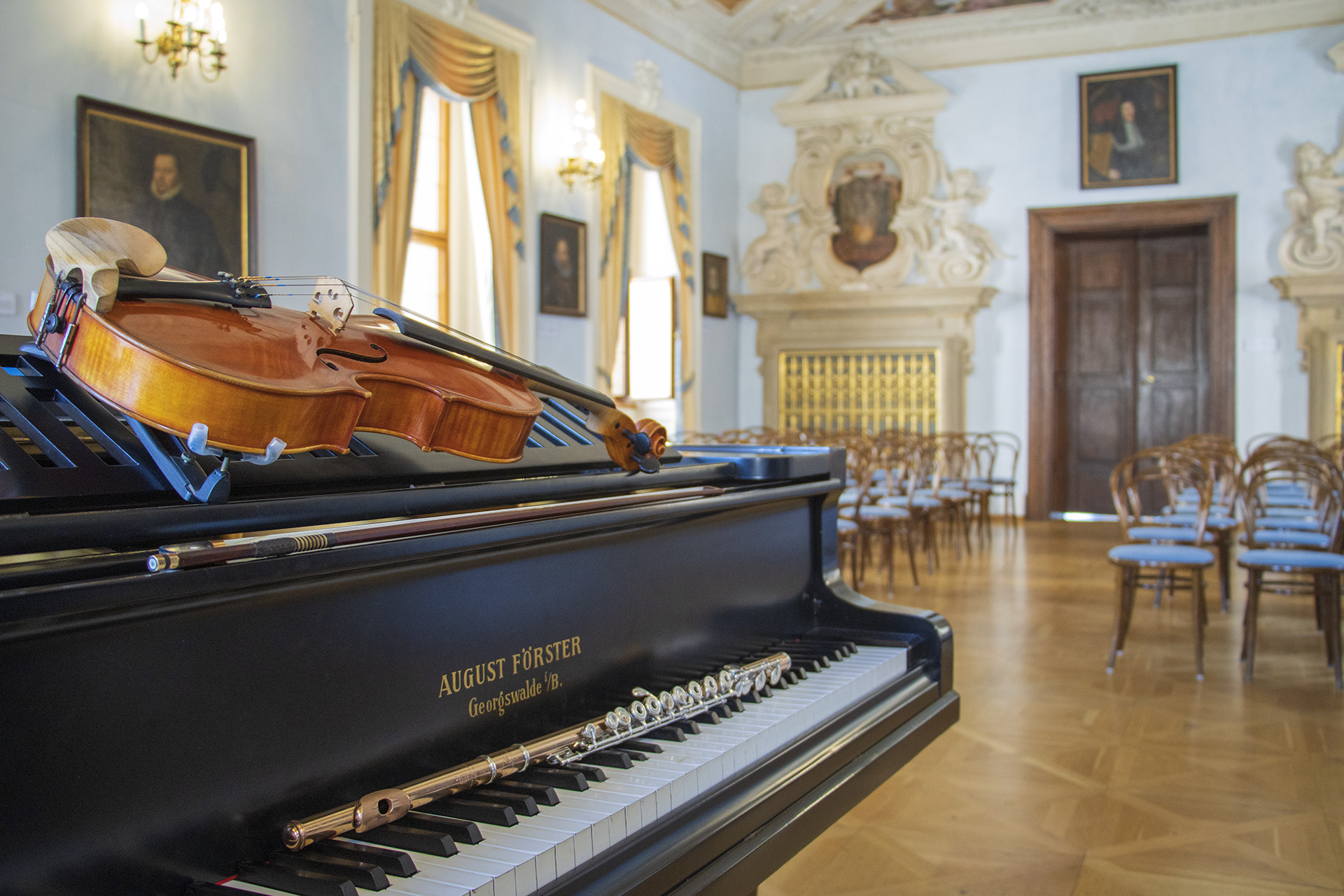
Calling all music lovers! Discover the rich musical heritage of the Lobkowicz Collections and family as told in the music galleries of the permanent exhibition at the Lobkowicz Palace. The tour will introduce you to a chronological musical narrative that spans over 300 years, as well as the influential musical happenings in Europe from the 17th to the 19th centuries.
Discovering the Lobkowicz Collections
Join us for a playful guided tour of Nelahozeves Castle, introducing you to a range of subjects and historical objects that span the vast Lobkowicz Collections. Individual tasks, combined with an accompanying worksheet, relate to the subjects of music, fine and decorative arts.
The Looming Noon Witch
“By the bench there stood an infant…” This famous opening verse of Czech poet and folklorist Karel Jaromír Erben’s poem Polednice (“The Noon Witch”) inspired Antonín Dvořák to create his own symphonic rendition. This program invites you to discover the words that united these two celebrated figures from Czech history who shared a passion for folklore.
Outdoor Adventures with Little Antonín
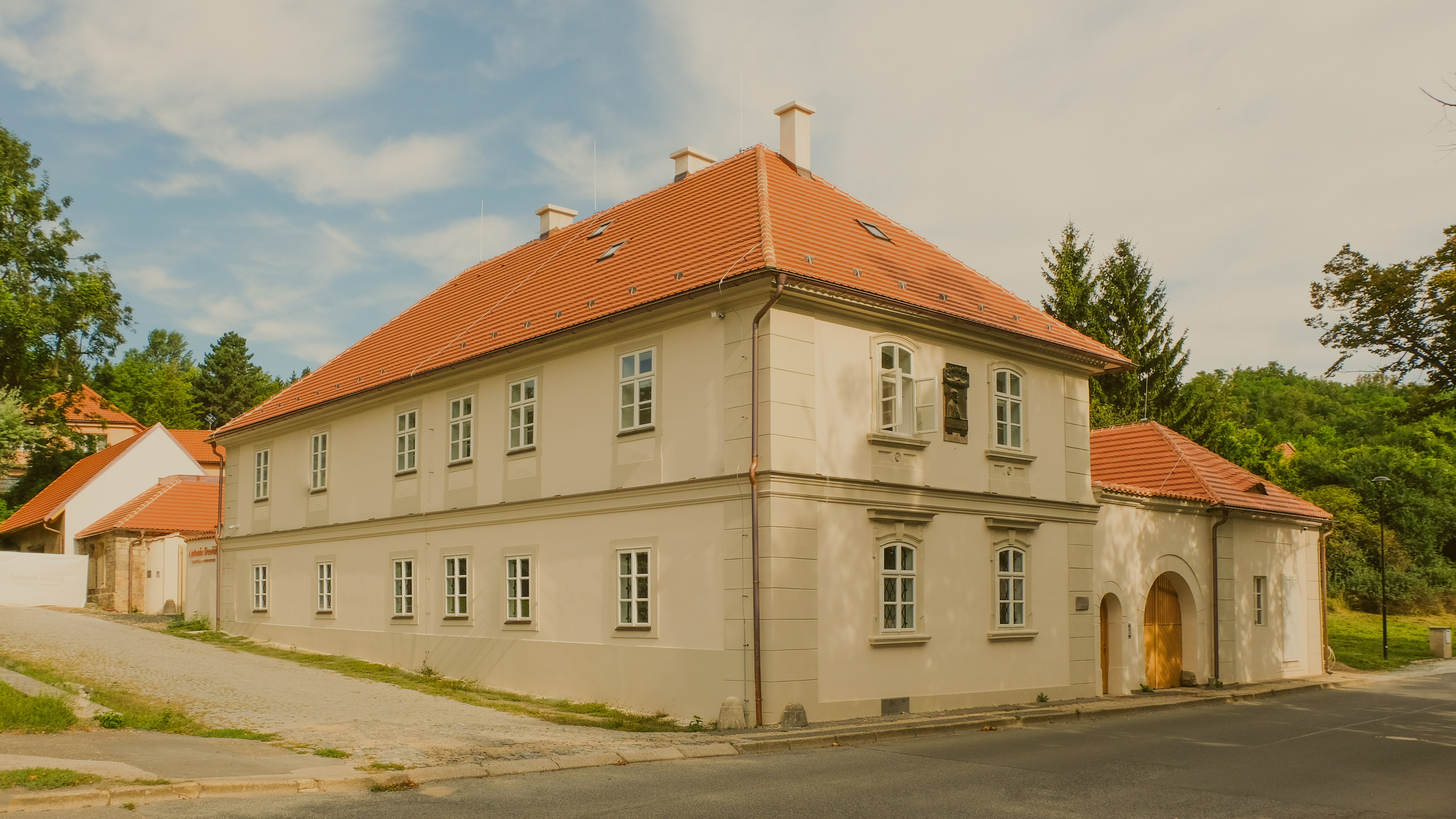
Travel back in time to the 1840s and explore the village of Nelahozeves through the eyes of Antonín Dvořák. Using a mobile app to serve as your musical map, discover the treasured places that inspired one of the world’s greatest composers by fulfilling a series of tasks throughout your journey.
Melodies of Childhood: Walking in the Footsteps of Antonín Dvořák
Step into the shoes of a young and impressionable Antonín Dvořák to discover the places that shaped him and his future music. As you meander through Nelahozeves, you will uncover the hidden stories of his childhood—helping his parents in the inn, studying music in the local school, and the excitement of watching trains go by on the newly constructed railroad.
Cabinet of Curiosities
Discover cabinets of curiosities—the Renaissance precursors to modern museums and art collections as we know them today. These cabinets included rare and exotic objects representing the natural wonders and oddities of the world. This program allows students to learn about the history of these cabinets and their contents (including when, how, and who first created them) by studying a fascinating example from the Lobkowicz Collections: xylotheque.